
The first few days post-surgery are uncomfortable, as sitting, sleeping, or walking outside is tough. Patients who receive Pilonidal Sinus Surgery in Ahmedabad or any other place are requested to practice proper wound care and hygiene, such as changing the dressing regularly and maintaining cleanliness; there may be chances of infection, sterility & healing. Recovery will differ depending on the surgical treatment, the wound size, and one's health and condition.
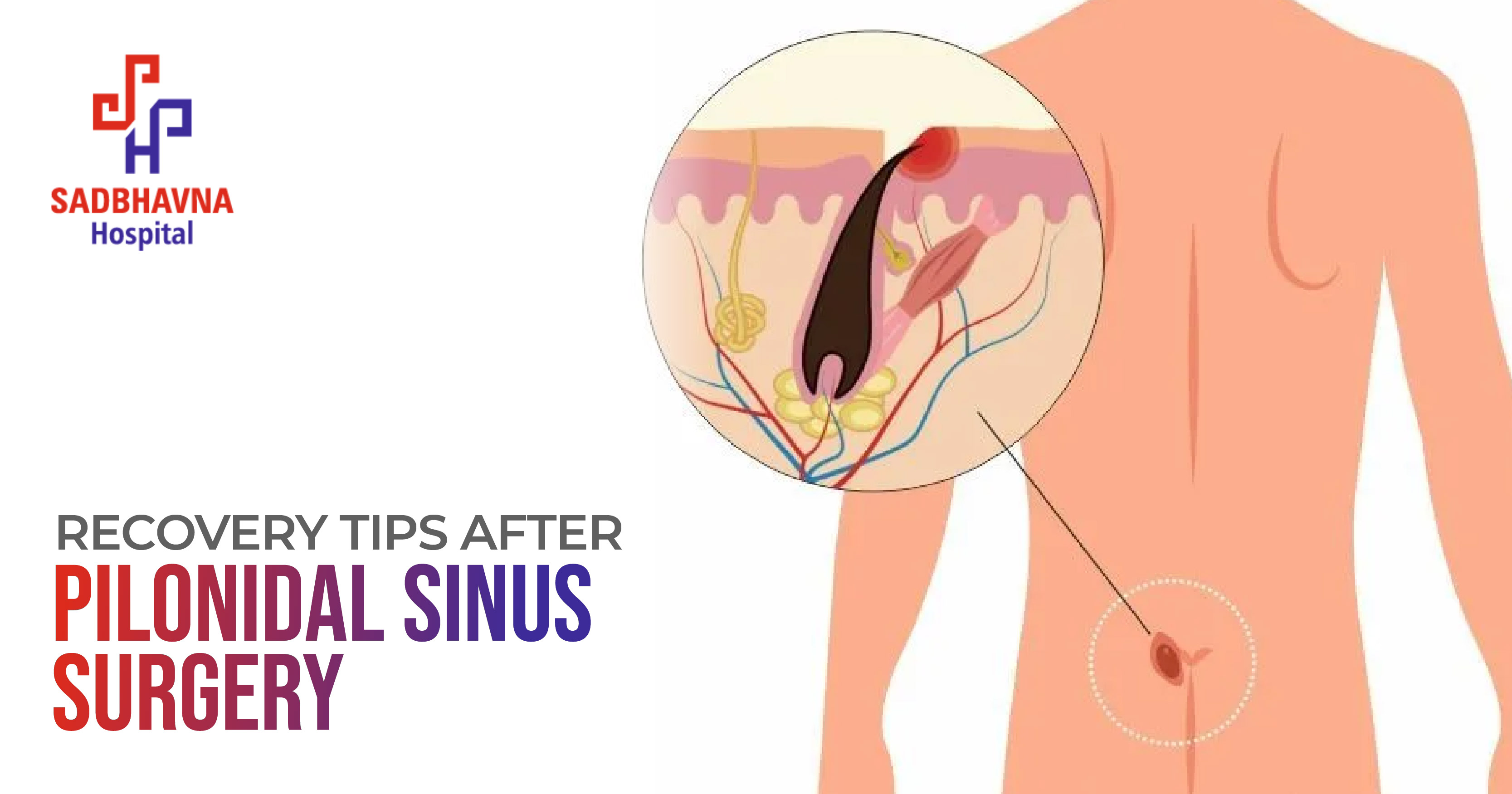
The condition occurs when small cysts or abscesses and a pilonidal sinus form near the spine. There could be hair, dirt, or skin litter. Surgery is usually performed when the sinus becomes painful, infected, or keeps returning. Home aftercare is equally vital for recovery after the procedure.
What Happens After Pilonidal Sinus Surgery?
The area where you received treatment may be sore for a few days after your surgery.
During the initial stages of healing, some light bleeding or oozing from the wound, as well as swelling or clear discharge, can occur. While some methods keep it open, allowing the body to heal on its own from within, others (cut surgery) use sutures to close it up physically.
Depending on what has been done during surgery, doctors typically give instructions regarding cleaning the area, changing dressings, and physical activity. Following these steps is a great way to minimise some of the aches and pains and reduce your risk of infection.
Keep the Wound Clean and Dry
One of the most important parts of recovery is keeping the surgical area clean. The wound should be washed gently with warm water as advised by the doctor. Avoid harsh rubbing or strong soaps, as they may irritate the skin.
After washing, the area should be dried properly. Moisture around the wound can slow healing and increase the risk of infection. A clean towel or soft tissue can be used carefully without applying pressure.
Changing dressings regularly is also important. Dirty or wet dressings should not be left on the wound for long periods.
Avoid Sitting for Long Hours
Longer sitting can put pressure on the healing area and cause discomfort. During recovery, it is better to stand, walk slowly, or lie on the side whenever possible.
If sitting is necessary, using a soft cushion may help reduce pressure on the tailbone area. Short breaks between sitting periods are also useful.
Most people can return to normal daily activities, but heavy exercise and long travel may need to be avoided for some time.
Maintain Good Personal Hygiene
Poor hygiene can increase the risk of infection and slow down recovery. Showering regularly and keeping the lower back area clean are important after surgery.
Loose and breathable clothing is usually more comfortable during healing. Tight clothing may cause sweating and friction around the wound.
Hair removal around the affected area may also be advised in some cases, as trapped hair is a common cause of pilonidal sinus problems.
Take Medicines as Advised
Pain-relief medicines and antibiotics may be prescribed after surgery. These medicines should be taken exactly as advised by the doctor.
Skipping antibiotics or taking extra painkillers without advice can create problems during recovery. If side effects such as severe nausea, rash, or stomach pain appear, medical guidance should be taken.
People recovering from pilonidal sinus surgery are often advised not to use home remedies or creams on the wound unless recommended by a healthcare professional.
Watch for Signs of Infection
Although many people recover without serious problems, infections can sometimes happen after surgery.
Common warning signs include :
- Increasing pain around the wound
- Fever or chills
- Thick yellow or green discharge
- Swelling or warmth around the area
- Bad smell from the wound
Getting medical help early can prevent further complications.
Conclusion
Recovery from pilonidal sinus surgery includes stress-free hygiene, good wound care and a lot of patience. Maintaining hygiene, restricting pressure to the affected area, eating a wholesome diet, and following medical recommendations can help promote recovery. It is normal for the surgery area to experience some mild discomfort, but a doctor should evaluate if there is increasing pain, swelling, or bleeding. Those who have had pilonidal sinus surgery must know that proper post-operative care of the patient is one of the most important aspects to avoid complications and naturally help their body. For more details, you can visit Sadbhavna Hospital or call 9687644599.