
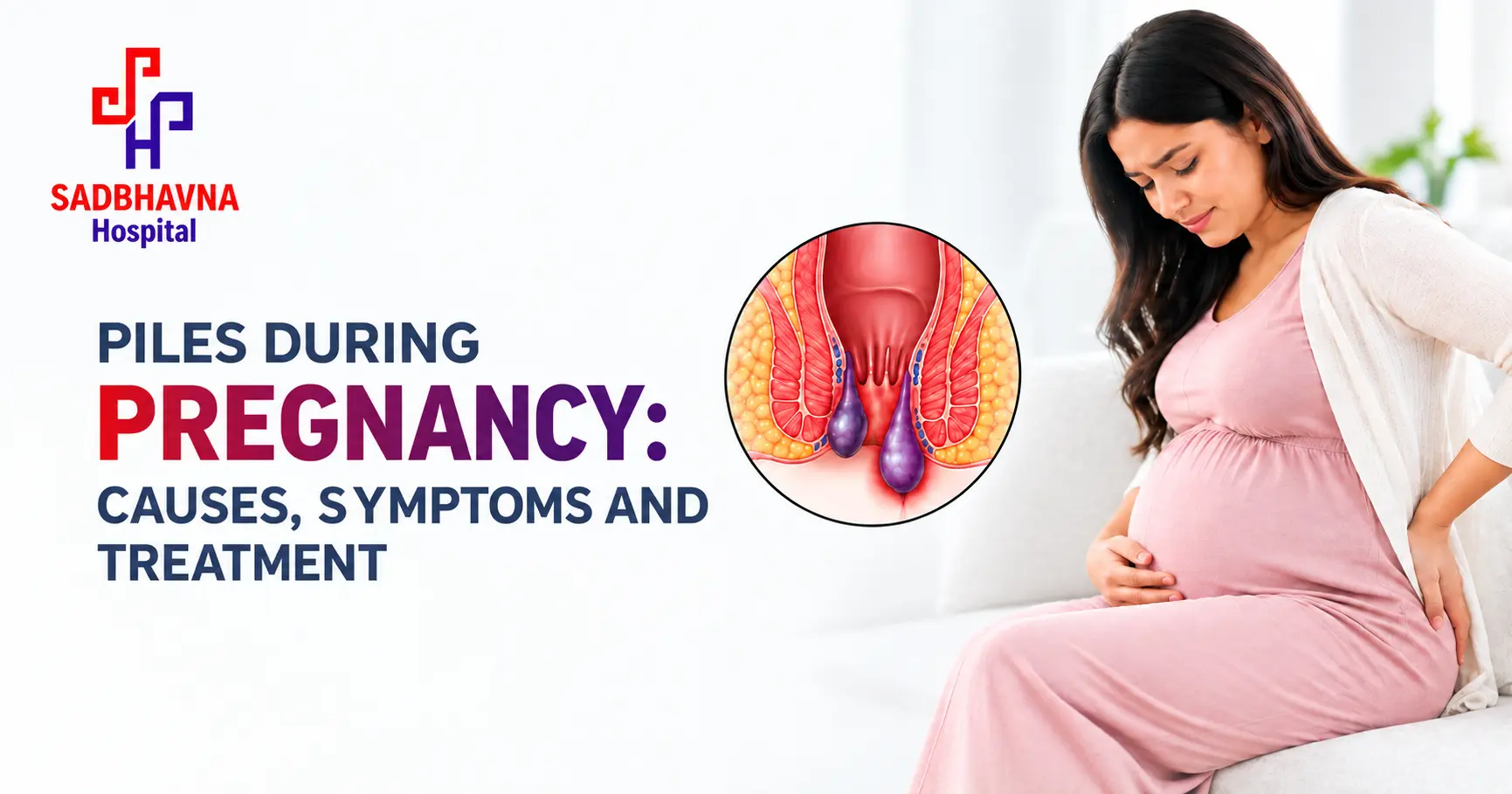
Piles during pregnancy can be uncomfortable and painful, and yeah, not always the easiest thing to bring up with someone. Here's the reassuring part, they're common, and often just diet, bowel habits, and a bit of routine adjustment is all it takes to keep them under control. Piles treatment in Ahmedabad is something that can make your journey through this smoother. Women need guidance that's actually built around them, and that tells them plainly when it's time to stop managing it alone and see a doctor.
What Are Piles During Pregnancy?
Piles, also known as haemorrhoids, are swollen veins that show up in or around the anus. Pregnancy is practically a setup for this, hormones move around, constipation becomes more likely, and the uterus keeps growing and pressing on things that weren't under pressure before. They can appear at any point in pregnancy, though most women seem to run into them later on.
It clears up once the baby arrives. But if the pain or bleeding sticks around, it's worth looking into rather than waiting it out.
Why Do Piles Happen During Pregnancy?
The rectal blood vessels come under more strain during pregnancy. Throw constipation into the mix, harder stools, more straining, and the whole thing tends to get worse from there.
Common causes and risk factors:
- Growing uterus: As the baby gets bigger, so does the pressure on the pelvic blood vessels.
- Constipation: This is a big one, pregnancy hormones mess with digestion, and stools just don't move the way they used to.
- Straining during bowel movements: Pushing hard isn't harmless. It puts pressure exactly where you don't want it, right around the anus.
- Reduced physical activity: Sitting more, walking less, it adds up, and constipation is usually the result.
What Symptoms Do Piles Show?
Symptoms range from a minor annoyance to real discomfort.
You might notice:
- Itching or irritation around the anus
- Pain or soreness, especially when passing stool
- Swelling or a lump near the anus
- Bright red blood after a bowel movement
- Mucus or discomfort afterwards
- A sense that things haven't fully emptied
Bright red bleeding can come from piles, but don't just assume that's the cause, a doctor should check and rule out anything else going on.
How Can You Relieve Piles During Pregnancy?
Mild cases usually respond to pregnancy-safe lifestyle changes first.
- Keep Your Stools Soft
Load up on fibre, fruits, vegetables, whole grains, beans, and lentils. Drink enough water throughout the day, unless your doctor has told you otherwise. - Avoid Straining
Don't force it, and don't ignore the urge either. Sitting too long on the toilet adds pressure too. - Stay Physically Active
Gentle, pregnancy-safe movement helps keep things moving and cuts down on constipation. Stick to whatever activity level your doctor's cleared you for. - Keep the Area Clean
After the toilet, clean gently and pat dry rather than rubbing. Skip heavily fragranced soaps that might irritate sensitive skin. Good hygiene makes a real difference here. - Use Cold or Warm Relief
A cold pack wrapped in cloth can ease discomfort. A warm bath tends to help with itching and pain too.
Are Piles During Pregnancy Treatable?
Yes. What's used depends on how severe the symptoms are and where you are in pregnancy. Doctors usually start with lifestyle changes. If things don't improve, they might suggest a topical treatment or medicine that's been checked for pregnancy safety. Don't start any piles cream, laxative, or other medicines without checking with your doctor, midwife, or pharmacist first.
Mostly, the goal during pregnancy is just controlling symptoms, avoiding constipation, and not aggravating things further.
When Should You See a Doctor?
Get in touch with a doctor if symptoms are severe, sticking around, or getting worse. Rectal bleeding is also worth flagging, since it's not always from piles.
Seek urgent care for heavy or ongoing bleeding, large clots, severe pain, or if you're running a fever or feeling genuinely unwell.
Patient-Centric Care at Sadbhavna Hospital
Pregnancy already brings enough physical and emotional change without piles adding to the pile-up. There's really no need to feel embarrassed talking about it.
Before suggesting any care, Sadbhavna Hospital looks closely at each patient, where they are in pregnancy, what symptoms they're actually dealing with, and what fits their situation. Persistent pain, ongoing constipation, swelling, bleeding, any of that calls for a real doctor, not a home remedy pulled from somewhere online.
For appointments and guidance, contact Sadbhavna Hospital at 9687644599.
FAQs
-
1. Are piles common during pregnancy?
Yes. Pregnancy increases pressure around the pelvic and rectal blood vessels, and constipation or straining pushes that risk up further.
-
2. Can piles during pregnancy go away on their own?
Mild cases often improve with better bowel habits, more fibre and fluids, and less straining. Many pregnancy-related piles also settle down after childbirth.
-
3. Is bleeding from piles during pregnancy normal?
Bright red bleeding can happen with piles, especially after passing stool, but any rectal bleeding during pregnancy is worth discussing with a healthcare professional just to confirm what's causing it.
-
4. What can I eat to prevent piles during pregnancy?
Fibre-rich foods, fruits, vegetables, whole grains, beans, lentils, plus enough water throughout the day. Together, these help prevent constipation and reduce straining.
-
5. Can I use piles cream while pregnant?
Best to run it by your doctor, midwife, or pharmacist before using a piles cream or anything else. Plenty of options are fine to use, the point is just making sure pregnancy safety gets factored into that choice, and that's really a professional's call to make, not a guess.