
Causes of Piles in Females and Best Treatment Options
Piles or haemorrhoids are a common health condition in the female population. Most women have symptoms of pain, itching, and bleeding after a bowel movement. Getting the appropriate Piles Treatment in Ahmedabad at an early stage might help you avoid complications like PPH (Primary Palm Hyperhidrosis) and thermocoagulation, reducing the number of surgical procedures required. Although piles can afflict both men and women, there are specific lifestyle and biological factors that can cause females to develop this problem at various times in their lives.
This post discusses why women experience piles and lists the best treatment options that can help you determine when to consult a doctor and what you should follow based on medical advice.
What Are Piles?
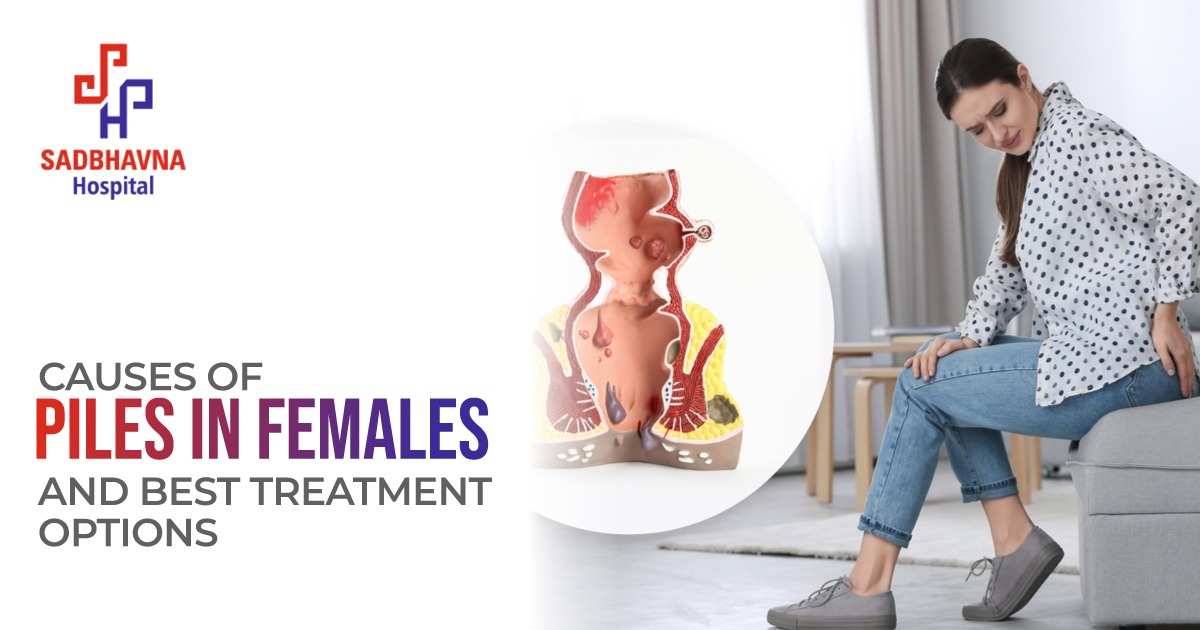
Piles are enlarged and swollen blood vessels in or around the anus. They are caused by extra pressure in the lower rectum that causes the veins to swell. Piles can be classified into :
Internal Piles
These are internal within the rectum and typically are not painful, but they may bleed.
External Piles
These grow under the skin around the anus and can cause pain, swelling or irritation.
Thrombosed Piles
Severe pain and swelling can develop into a blood clot, forming an external pile.
It is useful to know the type of piles when considering the best way to treat them, without being given a choice.
Common Causes of Piles in Females
Chronic Constipation
Constipation is one of the most common causes of piles in women. Pushing during the bowel movement exerts pressure on the veins around the rectum, leading to their swelling.
Pregnancy
The uterus of the growing baby presses on the veins in the pelvis, which decreases the amount of blood flowing to and from your lower body. Hormonal alterations also slow digestion, increasing the likelihood of constipation and piles.
Post-Delivery Strain
The anal region is put under pressure during vaginal delivery, especially with prolonged labour. It increases the risk of postpartum women having piles.
Hormonal Fluctuations
Fluctuations in hormones during menstruation, pregnancy and menopause may also adversely affect digestion and lead to piles.
Sedentary Lifestyle
Long hours of sitting, particularly at work or while travelling induces poor blood circulation in the rectal area, which in turn causes piles.
Low-Fibre Diet
If you don't eat enough fruit, vegetables and whole grains, hard stools can thwart your bowels’ efforts to coax them out.
Obesity
Increased weight adds more pressure on the pelvic and rectal veins, leading to piles.
Age-Related Changes
As women grow older, the tissues that support rectal veins can weaken and stretch, making piles more common in older people.
Diagnosis of Piles
Diagnosis usually involves :
- Physical examination
- Digital rectal examination
- Anoscopy or proctoscopy (if required)
These techniques aid in the identification of the type and grade of piles, which is helpful in appropriate pile management.
Symptoms of Piles in Females
Common symptoms include :
- Bright red bleeding at the time of passage of stools
- Pain or discomfort while sitting
- Itching or discomfort in the anus area
- Lumps or swelling in the vicinity of the anal opening
- Mucus discharge after passing stools
If symptoms continue, see a doctor to exclude other conditions that may cause similar signs.
Best Piles Treatment Options
1. Lifestyle and Dietary Changes
The initial cases of early piles may be treated conservatively.
- High-fibre diet
- Adequate water intake
- Regular physical activity
- Avoiding prolonged sitting and straining
These manoeuvres assist in establishing bowel habits and reducing pressure against the rectal veins.
2. Medications
Doctors may prescribe :
- Stool softeners
- Ointments that you apply to your skin to relieve pain and reduce inflammation
- Vein-Toning Oral Medicine
Piles treatment through medication is aimed at symptoms rather than removal.
3. Non-Surgical Procedures
For those with moderate piles that do not respond to medication, non-surgical remedies may be recommended :
- Rubber band ligation
- Sclerotherapy
- Infrared coagulation
The procedures are performed in a minimally invasive way, and most of our patients can go home the same day.
4. Surgical Treatment
If you suffer from severe or persistent haemorrhoids, surgery may be needed. Common procedures include :
- Haemorrhoidectomy
- Stapled haemorrhoidopexy
Surgical treatment of piles is indicated when symptoms are severe and do not improve despite non-surgical treatment, or when problems arise.
Piles Treatment in Ahmedabad: What to Expect
For patients looking for piles treatment, they can now avail themselves of diagnostic facilities and evidence-based solutions according to certain medical protocols. The type of treatment chosen will depend on the severity of symptoms, general health and personal preference. Early referral leads to better results and decreased recurrence.
Prevention Tips for Females
- Maintain a fibre-rich diet
- Stay hydrated
- Exercise regularly
- Avoid delaying bowel movements
- Practice good toilet habits
Preventive care is pivotal to preventing the recurrence.
When to See a Doctor
You should seek medical help if :
- Bleeding persists
- Pain worsens
- Symptoms haven't responded to home treatment
- There is associated unexplained weight loss or fatigue
Piles treatment can be effective if evaluated and treated early.
Conclusion
Piles in women are mainly due to lifestyle, hormonal changes and other factors such as pregnancy and ageing. Knowledge about causes and symptoms may be the key to early treatment and appropriate management. You can visit Sadbhavna Hospital for detailed information. Following accurate diagnosis and medical pill management, most women find that their symptoms are greatly relieved, and they feel much more comfortable.