
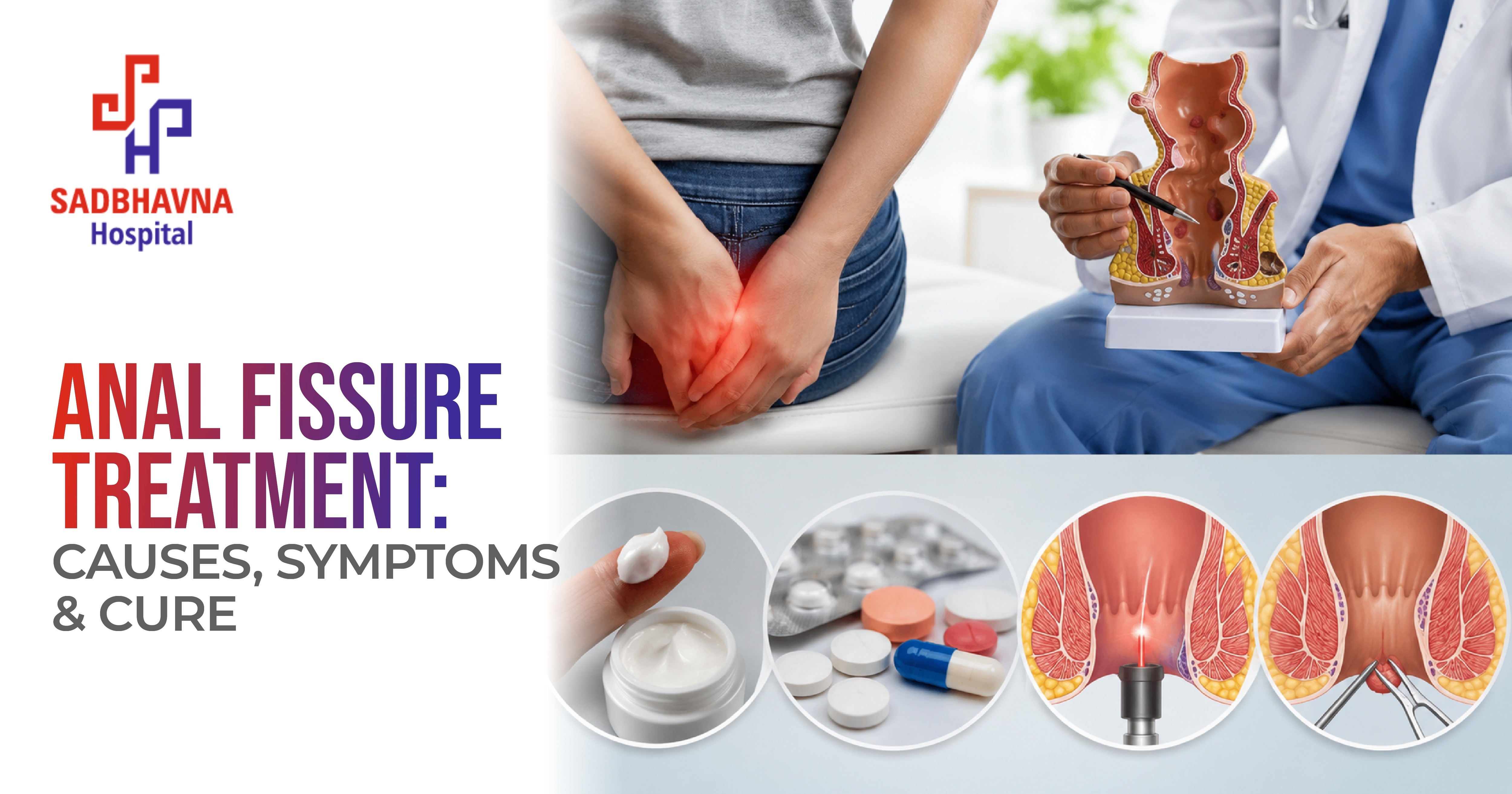
Sharp pain during a bowel movement is enough to make anyone put off going to the doctor, even when it hurts a lot. More often than not, though, the cause turns out to be something fairly simple and treatable: an anal fissure.
It sounds worrying, but it's a common problem, and most cases heal well with the right care. Many people also notice a small amount of bleeding, which can add to the worry, even though it's usually minor.
If you've been looking into Anal Fissure Treatment in Ahmedabad, here's what actually causes it, what to watch for, and how doctors treat it.
What Is an Anal Fissure?
An anal fissure is basically a small tear in the skin around the anus, which usually happens after passing a stool (bowel movement) that's too hard or too large, and it can leave you with sharp pain and a bit of bleeding.
Doctors call it acute if it's been there less than six weeks, and chronic once it goes past that. Acute fissures are far more common and most heal on their own with basic home care, with no major intervention needed in most cases.
What Causes an Anal Fissure?
Nine times out of ten, it comes down to passing a hard or large stool, which stretches the skin until it tears. A few other things can lead to the same result :
- Ongoing constipation and straining on the toilet
- Frequent diarrhoea
- Childbirth, which puts real strain on the area
- Poor blood flow to the area, which also slows down healing once it happens
- Occasionally, an underlying condition like Crohn's disease, especially if fissures keep coming back
Knowing what causes a fissure is one thing, but how do you know if you actually have one? Here’s what to look out for.
What Are the Signs of an Anal Fissure?
Usually, the first thing you'll notice is sharp pain during a bowel movement, and it can stick around for hours after. A few other things are worth noticing, too :
- Small amounts of red blood, either in the stool or when wiping
- An actual visible tear or crack near the anus
- Itching or general discomfort in the area
- Muscle spasms that make the pain worse than it already is
The bleeding is usually minor, just a few drops here and there. Still, it's worth getting any bleeding checked by a doctor, since it is not always as simple as a fissure.
How is an Anal Fissure Treated?
Here's the reassuring part: most fissures clear up on their own within a few weeks with basic home care and simple fissure pain relief measures alongside it. That usually means :
- Drinking more water and adding fibre to your diet, so stools stay soft
- A warm sitz bath, two or three times a day, which also helps with fissure pain relief
- Stool softeners, if things are still tough to pass
- Cutting out spicy food while it heals
If it's still not better after six to eight weeks, that's when it's called chronic, and it may need something more. Fissure healing time varies from person to person at this stage, and treatment could include :
- A topical cream to relax the muscle and get blood flowing better
- Botox injections, used sometimes to relax the sphincter
- Anal fissure surgery, usually a sphincterotomy, if nothing else has worked
Surgery really is the last option here, not the first; most people never need it.
When Should You See a Doctor for an Anal Fissure?
A few signs mean it's time to stop waiting it out and see a doctor :
- No improvement after a few weeks of home care
- The fissure keeps coming back
- Bleeding that's heavier than a few drops, or doesn’t stop
- Pain severe enough to get in the way of your day-to-day routine
A proper exam also helps rule out other conditions that can look similar on the surface, so it's worth getting checked rather than guessing. This matters even more if fissures keep recurring, since that can sometimes point to something else going on.
Final Thoughts
You must have got an idea about the basics after reading the causes, symptoms, and cure. It might sound alarming, but it's actually one of the more manageable problems. All you have to do is visit your nearest clinic, without waiting for it to worsen, since persistent pain or recurring fissures are worth getting checked early.
It's a common issue, so there's really no reason to feel awkward about it. Most people recover fully within a few weeks with the right care.
Sadbhavna Hospital is well known for treating plenty of cases like this, from simple guidance to surgery when it's genuinely needed. If things aren't getting better on their own, it's worth getting it looked at rather than waiting. Call 9687644599 to book a consultation today.